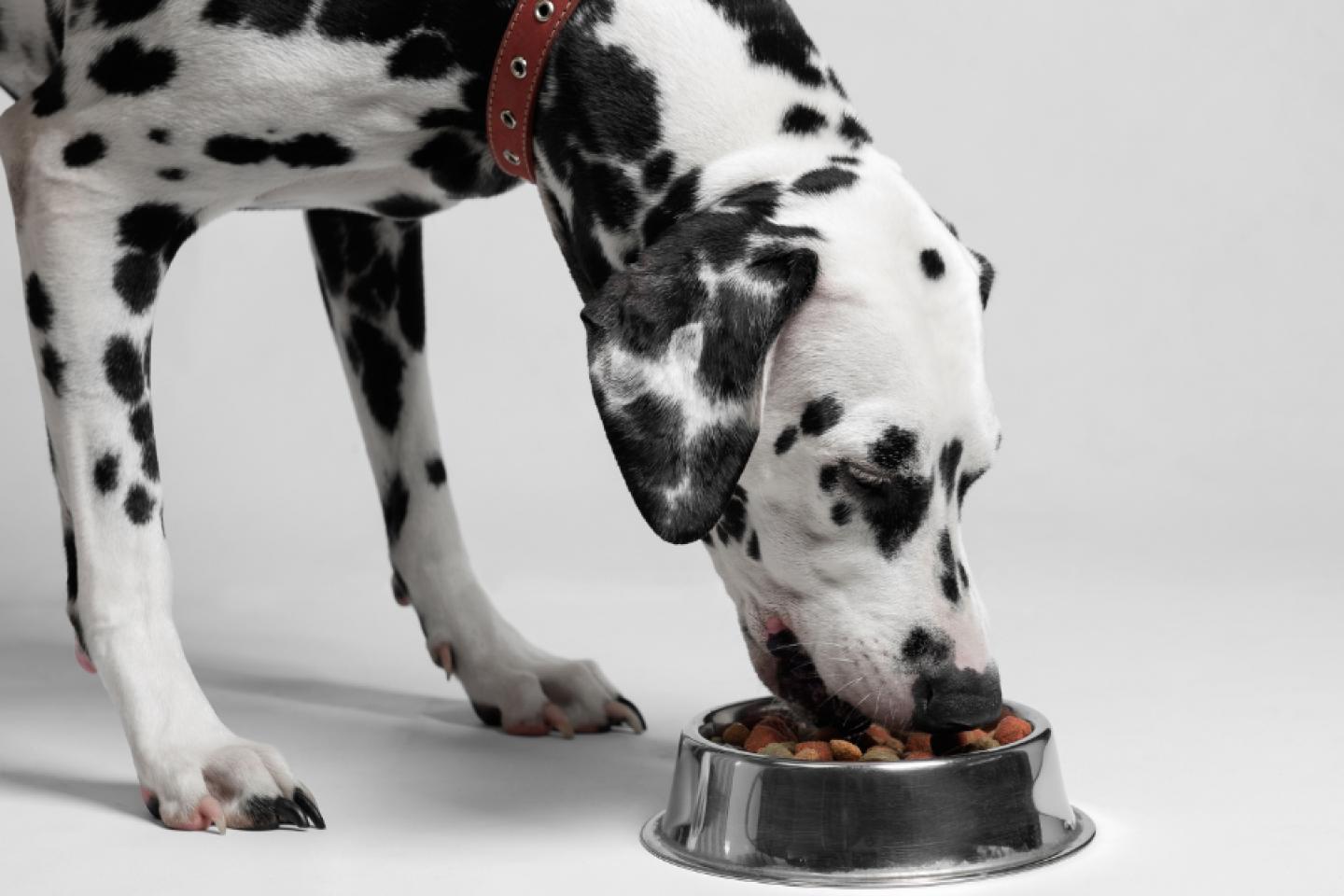
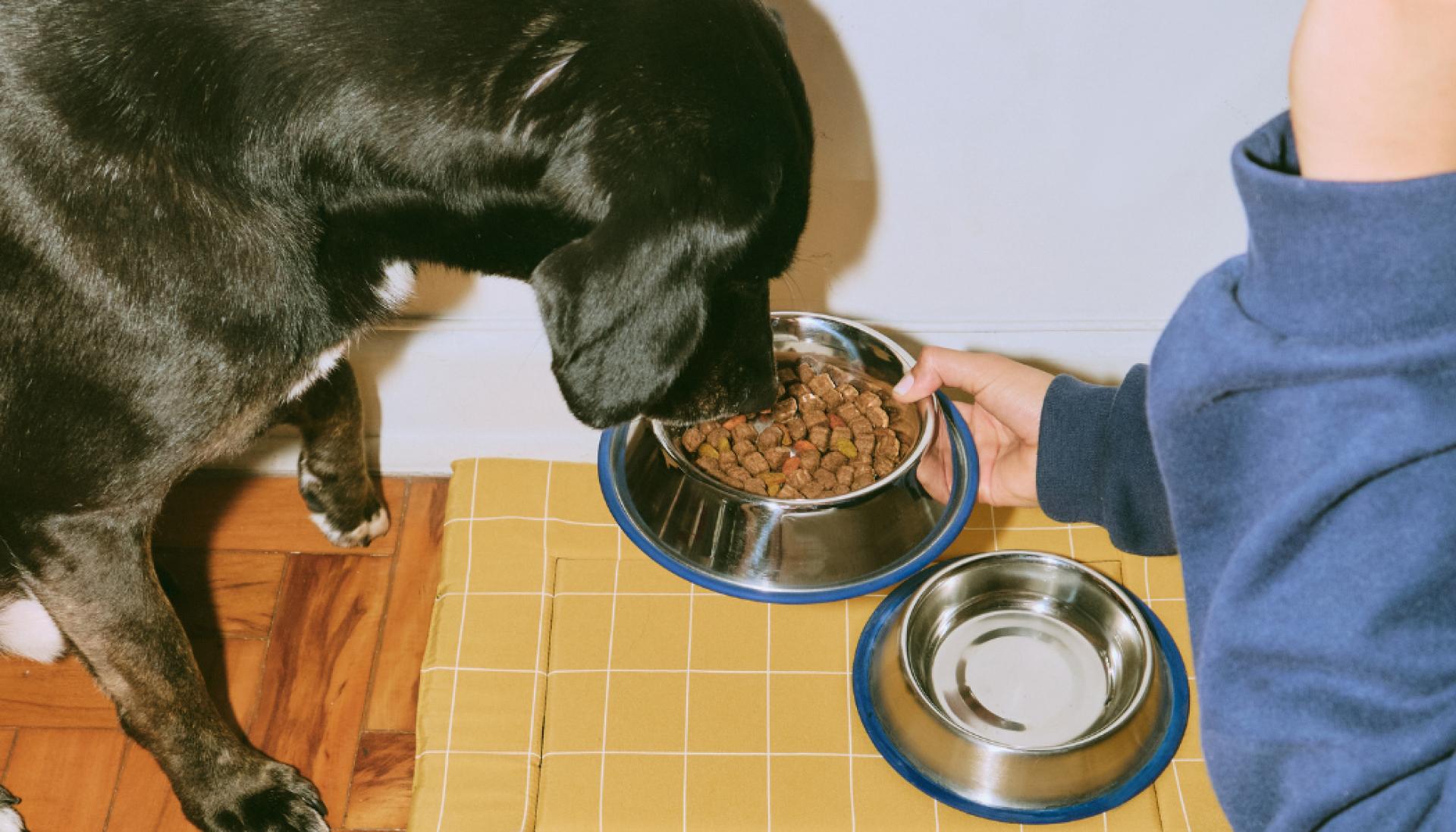
"We Love Our Pets Like Our Kids, So Why Shouldn't They Eat Like Them? Inside the Venture-Backed Race to Feed Our Dogs the Very Best"
For most of the last century, feeding a dog was simple. You bought a bag of kibble, scooped it into a bowl, and that was that. The category was enormous, stable, and almost entirely owned by a handful of legacy giants competing on price and distribution.
Then the money showed up. Over the past few years, venture capital and private equity have poured hundreds of millions into a new class of premium, fresh, human-grade pet food brands, betting that the same "better-for-you" wave that reshaped snacking, beverages, and personal care would come for the pet aisle too. They were right. This is now one of the most aggressively funded corners of Consumer, and the race to build the category's defining brand is on.
Why Investors Are Piling In
Start with the backdrop. The U.S. pet food and treats market is roughly $67.8 billion, part of a broader pet economy that crossed $150 billion last year. Kibble still owns the overwhelming majority of the bowl, but the growth is happening elsewhere: the fresh and premium segment is still only a few percent of the total, yet it is growing at roughly 10–30% a year, with one forecast projecting the U.S. fresh segment alone will add more than $3 billion by 2029.
That gap between where the dollars sit today and where the growth is heading is exactly the setup investors love. A small, fast-growing slice of a massive, sleepy category, with a clear consumer tailwind behind it: pet humanization. Owners increasingly treat their dogs as family and apply the same "read the label, buy the premium version" logic they use on their own groceries. Layer on vet-formulated credibility, strong branding, and the recurring revenue of a subscription, and you get a category tailor-made for a venture return.
The Brands (and the Capital Behind Them)
The venture-backed premium set is crowded and well-funded. A few names define it:
The Farmer's Dog
The Farmer's Dog is the clear leader and the category's first true breakout. It has raised roughly $168 million from investors including CAVU Consumer Partners, Forerunner, and G Squared, reaching a reported valuation of about $1.46 billion. More importantly, it has scaled to roughly $1.2 billion in annualized net revenue and, after years of losses, reportedly turned profitable, taking home more than $10 million a month. Scale plus profitability in a fresh, cold-chain business is rare, and it is the strongest proof yet that this model can produce a durable, standalone winner.
Ollie
Ollie is another leading DTC subscription brand, competing on personalization and customized meal plans. It has raised roughly $68 million across multiple rounds and sits at an estimated $60 million in revenue.
Spot & Tango
Spot & Tango has raised roughly $79 million, including a Series B led by Valor Equity Partners, and has leaned into both fresh and its "UnKibble" air-dried format to widen the price ladder.
JustFoodForDogs
JustFoodForDogs represents the private-equity end of the spectrum, having taken on roughly $98 million led by L Catterton alongside Balance Point Capital, and pairs DTC with a retail and in-store kitchen footprint.
Sundays for Dogs
Sundays for Dogs took a different technical route with air-dried food, "fresh without the fridge," founded by a veterinarian and backed by a headline-grabbing investor list (roughly $36 million raised) that reportedly includes Imaginary Ventures, Ryan Reynolds, Orlando Bloom, and the founders of Sweetgreen, Glossier, and Away.
Golden Child
Golden Child is the newest entrant, a Miami startup founded by former Hims & Hers operators that launched in 2026 with roughly $37 million from Atomic, A*, and Redpoint to chase the ultra-premium end of the market.
And the smart money isn't only chasing individual brands. L Catterton alone has assembled a sprawling premium pet-food portfolio (Butternut Box, Lily's Kitchen, Instinct, and others), a signal that institutional capital sees this as a durable, multi-brand thesis rather than a single-winner bet.
The Part the Pitch Deck Skips
Here is the tension that makes this space so interesting, and so hard. The demand is not really the question anymore. Venture dollars have proven the consumer will pay up. The question is whether these brands can serve that demand profitably, and that is an operational and financial problem far more than a marketing one.
Fresh, premium pet food is one of the most demanding businesses in all of CPG. Perishable, human-grade product means real cold-chain logistics from manufacturing through last-mile delivery, with none of the slack a shelf-stable brand enjoys. Made-to-order meal plans require demand forecasting precise enough to avoid both spoilage and stockouts, customer by customer. Subscription models live and die on unit economics, where customer acquisition cost, retention, and lifetime value have to pencil out against a product that can cost several times more than kibble. And scaling manufacturing, in-house or through co-manufacturers, has to happen without ever compromising food safety or consistency.
This is why so many well-funded brands stay stuck in "buzzy but burning cash." The Farmer's Dog reaching profitability wasn't a marketing milestone; it was an operational one, the product of disciplined margin management, logistics investment, and financial planning that converted a high-growth story into a real business. For a venture-backed brand, that transition from growth-at-all-costs to durable economics is the whole ballgame, especially as the era of cheap capital fades and investors start asking harder questions about the path to profit.
What This Means for Builders (and Hiring Managers)
If you are building or investing in this space, the lesson from the leaders is clear: the moat is operational as much as it is brand. The venture-backed brands that thrive will be the ones that pair a compelling story and a full cap table with the financial and operational muscle to deliver perishable product profitably at scale.
Practically, that means knowing which hires unlock which stage of growth. Early on, it's the operations manager who can wrangle co-mans and inventory, plus clean books from day one. As cold-chain complexity mounts, a logistics lead becomes non-negotiable. As the subscription base scales, an FP&A leader who can model retention, CAC, and contribution margin shifts the business from reactive to proactive, which is exactly the story investors want to see ahead of the next round. And approaching a major raise or an exit, a finance leader who has scaled a perishable, DTC, or high-growth CPG business before is worth their weight in gold.
The capital has already flowed into premium pet food. The winners now won't be decided by who raised the most; they'll be decided by who can build the operational and financial engine to turn all that funding into a profitable, lasting brand.
If your company operates in the pet, CPG, or F&B space and you're looking to build out your finance and operations team, feel free to reach out to Audrey ([email protected]) — she'd love to help.